Open a 30-day free trial
Set up your account and every classroom, from the infant room to pre-K, can teach from the full curriculum for 30 days while you see how it fits.






Watch a California infant teacher sign in, pull up the day's activity, check the supply list and read ELBY's tip before the babies wake from their nap.
Preview 52 weeks of plans for infants, toddlers, 3s and 4s, with every activity tied to the California foundations for that age.
Talk with our team about your California center or family child care home, the ages you serve and the families who speak Spanish at home.
One cloud platform holds your California curriculum, teacher coaching and staff training. Each subscription brings a year of weekly plans for five age groups, a library of 4,000+ activities, family pages in Spanish and English, an observational assessment tool, 49.5 hours of LBP University courses and ELBY, a virtual instructional coach that sits inside every lesson. Four California crosswalks connect it all to the state’s foundations from birth to age 5.
LBP's infant and toddler crosswalks (0 to 12, 13 to 24 and 25 to 36 months) follow the 2009 California Infant/Toddler Learning and Development Foundations, keyed to the 8-, 18- and 36-month foundations in four domains. The 3-to-5 crosswalk covers all nine domains in Volumes 1 to 3 of the California Preschool Learning Foundations, English-language development included.
Inside each California lesson, ELBY gives the teacher a quick coaching cue: how to make the activity simpler for a child who needs more support, how to raise the challenge for a child who is ready, and what to watch for and jot down during play.
Every California subscription includes LBP University: 49.5 hours of on-demand courses inside the platform. Teachers learn the curriculum while they use it, alongside the college early childhood units Title 22 asks of center teachers.


Title 22 asks child care centers to offer a variety of daily activities that meet children's needs, including quiet and active play, rest, eating and toileting. LBP plans the learning side of that day for each room and keeps a dated record of what was taught, ready for your next Community Care Licensing visit.
Title 22 lets a center hire a teacher with six early childhood units, as long as they keep completing at least two units each semester or quarter toward twelve. Between classes, LBP's step-by-step lessons and ELBY's cues give that teacher guided practice with children every day.
Dual language learners make up 59 percent of California children ages 0 to 5, according to a Migration Policy Institute analysis of 2015 to 2019 Census data, and Spanish is spoken in about two-thirds of their homes. LBP includes a Spanish version of every activity and family resource.
Each California site uses one yearly subscription for every room it runs, from infants to pre-K. Adding a classroom or hiring a teacher leaves the price where it is.
Set up your account and every classroom, from the infant room to pre-K, can teach from the full curriculum for 30 days while you see how it fits.
A California teacher opens the day's plan on a phone or tablet, sees the materials list and ELBY's cue, and starts the activity, whether at the sensory table or out in the shade of the play yard.
LBP publishes four California crosswalks. The 0 to 12, 13 to 24 and 25 to 36 month documents follow the California Infant/Toddler Learning and Development Foundations (2009), organized by social-emotional, language, cognitive, and perceptual and motor development. The 3 to 5 year document covers the nine domains of the California Preschool Learning Foundations, Volumes 1 to 3. Every band is also aligned to the Head Start ELOF. Find all four on our curriculum alignments page.
Quality Counts California is a statewide network of locally implemented quality improvement systems, and all 58 counties take part through a county or multi-county consortium. Ratings are optional at the local level, and the effort is funded by First 5 California together with CDE and CDSS. LBP supports the quality work behind it with crosswalked plans, lesson records and an observational assessment tool. Any rating comes from your local consortium, and we make no promise about it.
California’s child care center regulations in Title 22, administered by the CDSS Community Care Licensing Division, ask each center to provide a variety of daily activities designed to meet the needs of the children in care, including quiet and active play, rest and relaxation, eating and toileting. LBP’s weekly plans fill the learning side of that day for every room, from infants to pre-K, and keep a record of what each class did.
Starting in the 2025-26 school year, transitional kindergarten is open to every California child who turns 4 by September 1, and public school districts offer it. If your program serves infants, toddlers, 3-year-olds or 4-year-olds outside a TK classroom, LBP gives each of those rooms its own weekly plan, and the five age bands let you shift plans as your enrollment changes from one year to the next, all under the same price.
Yes. Since July 1, 2021, the California Department of Social Services has run many state-subsidized child care programs, including CalWORKs Child Care and Alternative Payment programs, while CDE continues to operate the California State Preschool Program. Choosing LBP does not change contracts, eligibility or payments. It gives children in subsidized seats the same planned day, observation notes and English and Spanish family pages as every other child in the building.
We do not claim it does. Under Title 22, a fully qualified center teacher needs 12 semester units in early childhood education or child development, covering child growth and development, child, family and community, and program or curriculum, plus six months of experience, or a CDA credential with experience. LBP University’s 49.5 hours of professional learning help teachers deliver the curriculum well, and educators can record training in the California Early Care and Education Workforce Registry.
A California site uses one yearly subscription for school-wide access. That covers every room from infants to pre-K, every teacher, ELBY, LBP University, the observational assessment tool, Spanish and English content and all four California crosswalks. Adding a teacher or a classroom does not raise the fee. Hands-on materials kits are fulfilled through Lakeshore Learning, and our team offers grant-writing support to customers.
Every activity and family resource comes in English and Spanish at no extra cost. In California that matters: a Migration Policy Institute analysis of 2015 to 2019 Census data found that 59 percent of children ages 0 to 5, about 1.7 million, are dual language learners, and about two-thirds of their families speak Spanish at home. Teachers keep one classroom plan and send the week’s activities home in the language each family reads.
Sign up online and your California program gets a 30-day free trial with full access for every classroom and age band, from the infant room through pre-K. During those 30 days teachers can run real lessons, try ELBY’s coaching and send family pages home. Use the trial to see how LBP works in your rooms; after that, one yearly subscription covers the whole site.
Yes. The CDSS Child Care Licensing Program oversees family child care homes as well as centers, through 21 regional offices. Home providers often care for babies, toddlers and preschoolers at once, and LBP’s five age bands let one educator plan for that mixed group from a single login, with family pages in English and Spanish. Read more on our family child care page.

Sensory, language, and attachment-focused lessons for ages 0–12 months.

Independence, early language, and mobility activities for ages 12–24 months.

Creativity, communication, and social growth for ages 24–36 months.
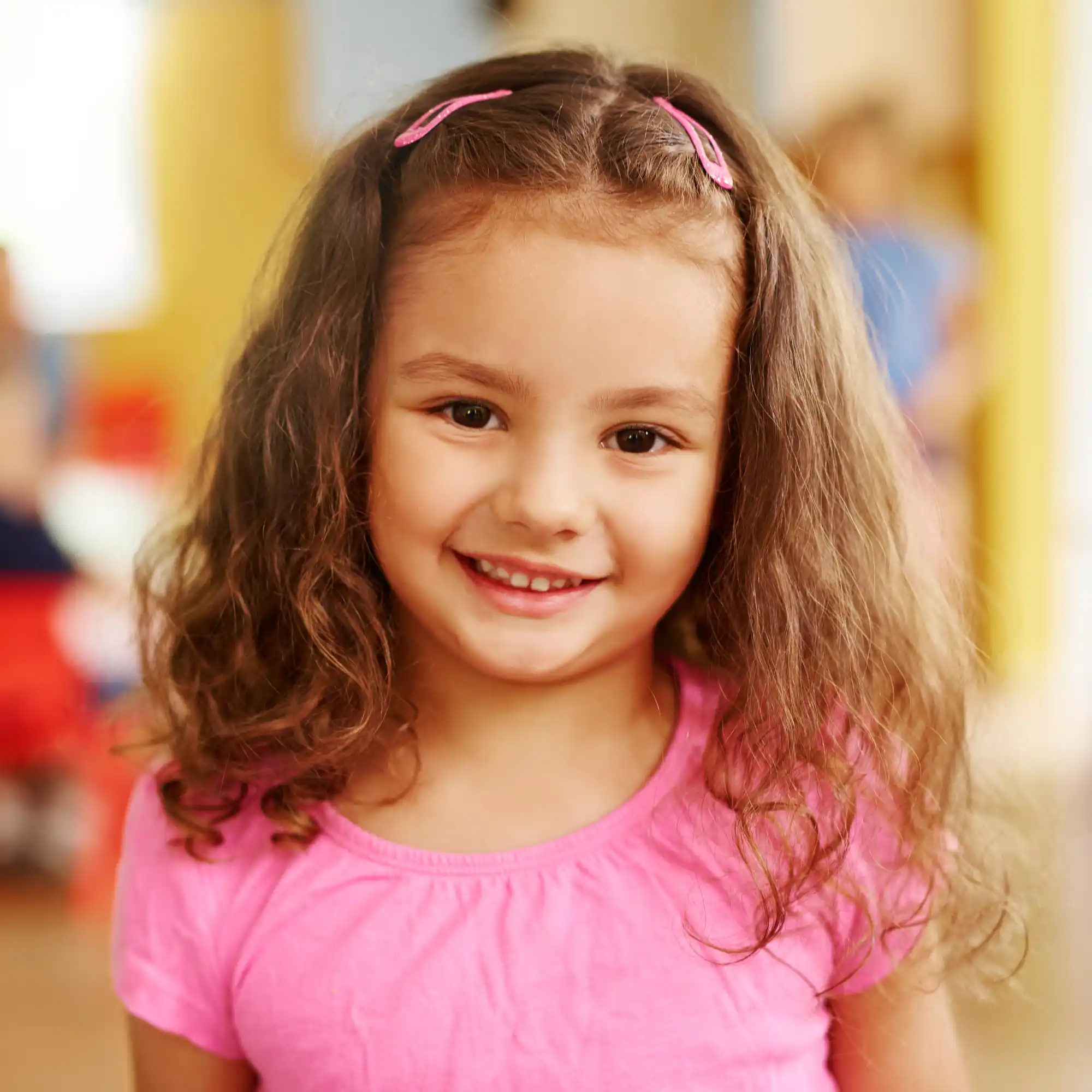
Standards-aligned, play-based lessons for children ages 3–4 years.

Kindergarten readiness and school-preparedness for children ages 4–5 years.

Center Director, Pirates Den Daycare

Each band maps to the California infant/toddler or preschool foundations, so a normal week of teaching produces the lesson plans and observation notes that licensing visits and quality reviews tend to ask about.

The full curriculum opens for each California classroom on day one of the trial.

Child care centers and home programs across the country teach with Learning Beyond Paper.
Every California classroom can start teaching from LBP today, free for 30 days.
A live tour of LBP built around your California program.
Infant through pre-k — one platform, one price, complete coverage.