
If you are wondering if play is good for young children, looking for an excuse to add more playful learning experiences to your early childhood classroom, or considering the case of play based curriculum, read on.
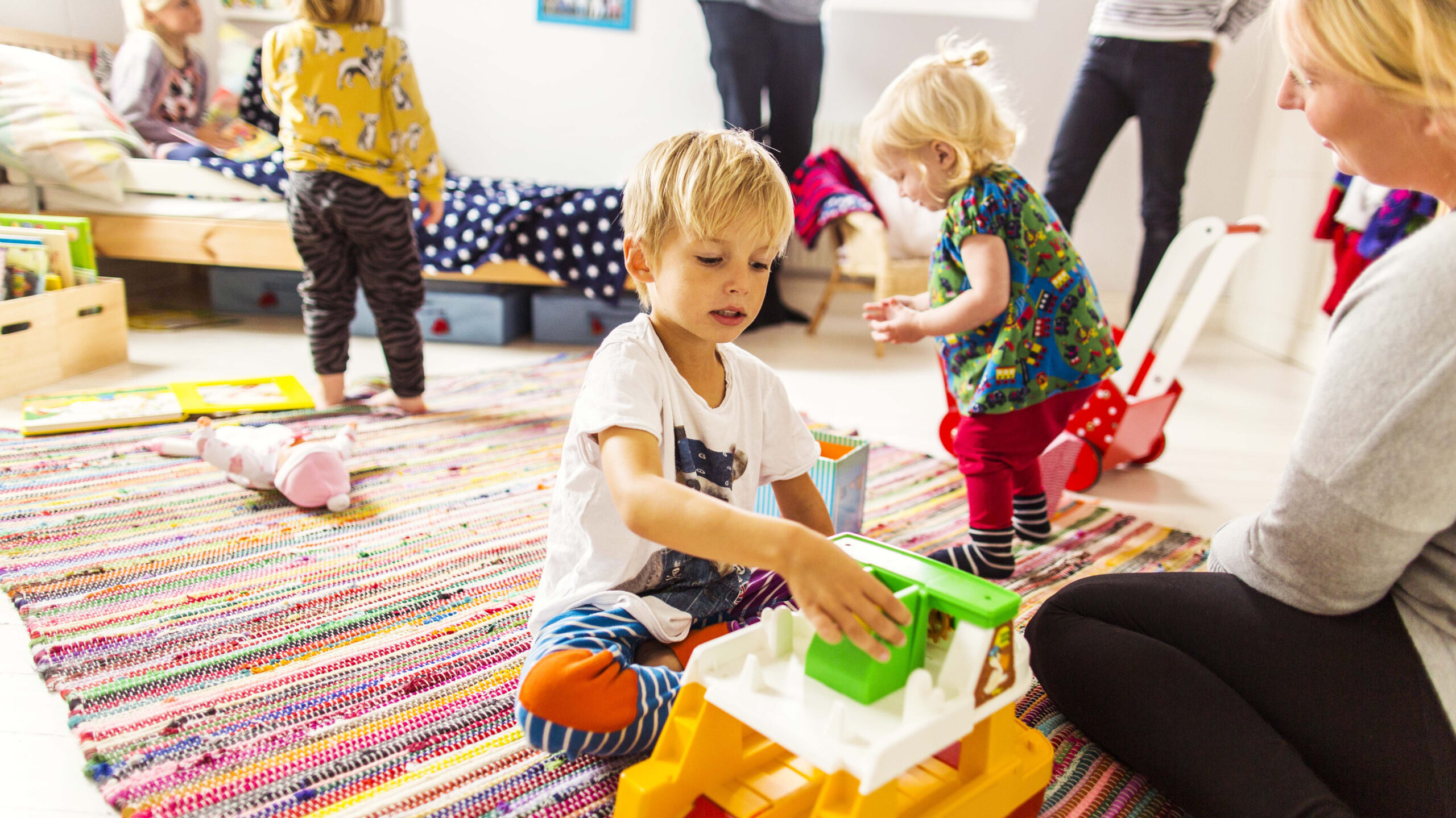
It is a young child’s way of beginning to understand her world, herself, and her peers. Maria Montessori considered play the work of young children, and Fred Rogers suggested it is a way for them to practice what they are learning. Contemporary research clearly supports the notion that play is more than just beneficial to children’s learning and healthy development, it is fundamental.
In fact, Harvard University’s Center on the Developing Child suggests that simple, playful interactions with nurturing adults aid in the development of sturdy brain architecture, the foundations of lifelong health, and the essential elements for resilience. Play within the context of a nurturing environment builds the developing brain! According to the American Academy of Pediatrics, play is essential to the health and well-being of all children. Their 2007 position statement on the subject addresses a variety of benefits, including social-emotional health, improved problem-solving skills, increased communication skills, physical health, and enhanced self-regulation.
Hands-on exploration and playful learning experiences build confidence and competence in young learners as they practice emerging skills and generalize newly acquired knowledge. Play fosters initiative and decision making while offering opportunities for children to take an active role in their own learning. It affords young learners a chance to actively explore their world, experiment with new ideas, and develop creative and critical thinking skills.
The National Association for the Education of Young Children’s position statement on developmentally appropriate practice (NAEYC 2009) refers to play as “an important vehicle for developing self-regulation as well as for promoting language, cognition, and social competence (NAEYC 2009).” Whether playing peek-a boo with a young infant, engaging in an empty-fill activity with a toddler, or setting up a doctor’s office in your preschool dramatic play center, the power of play should be embraced as an essential method of learning.
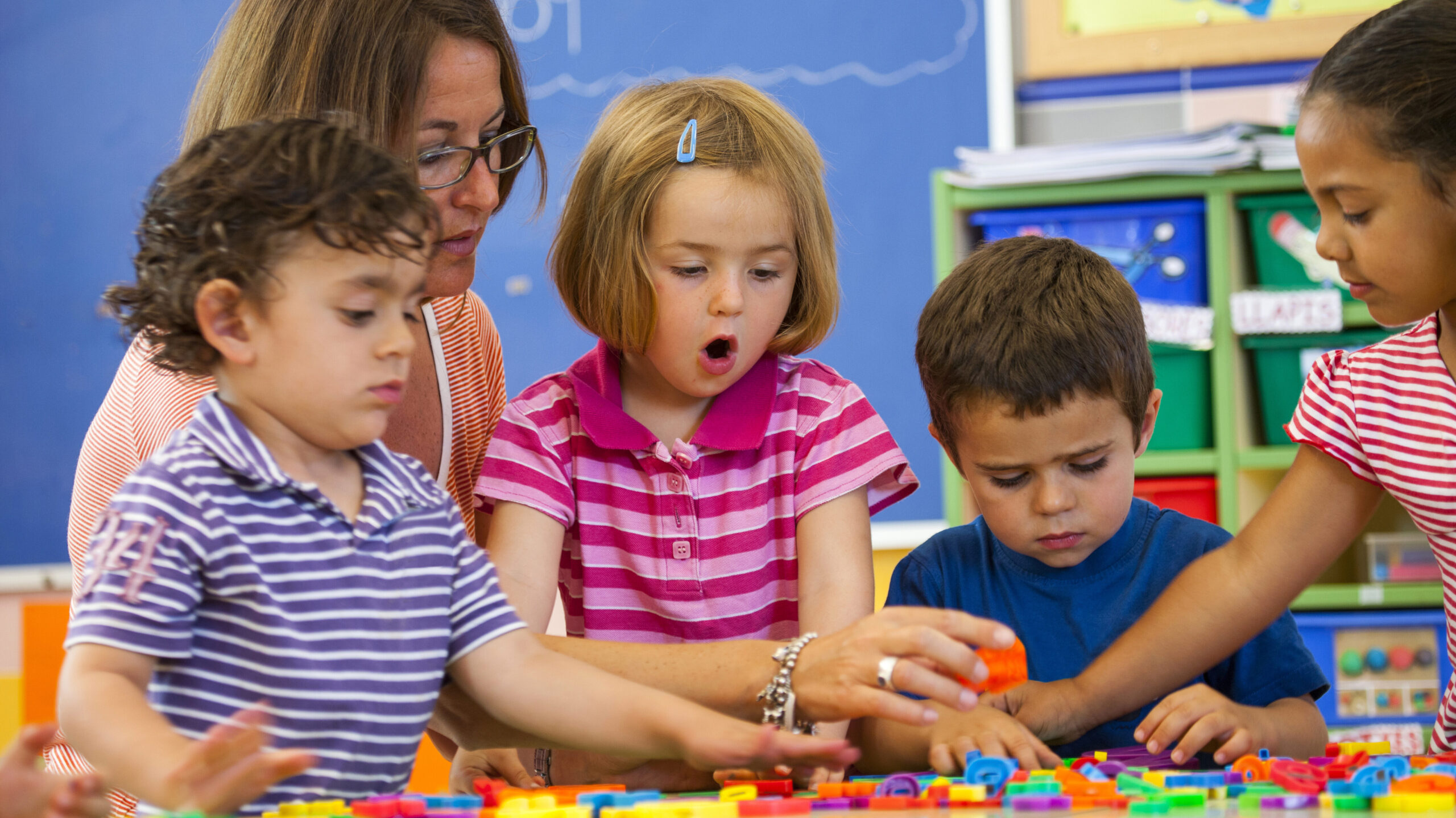
At Learning Beyond Paper, we have read the research and seen first-hand the undeniable benefits of play in the lives of young children. Our curriculum supports developmentally appropriate learning activities across all domains and provides young children with joyful opportunities to learn through play.
Note: If you would like to dig deeper into the power of play, here are some excellent resources to start with: