
Finding the right preschool curriculum can feel simple at first. Then the real questions start. Do you need monthly preschool curriculum kits or a cloud-based system? Do your teachers need full lesson plans, family engagement tools, bilingual content, or help with state standards? And if you searched for Mother Goose Time alternatives, there is a good chance you are comparing hands-on materials, teacher prep time, cost, and classroom fit all at once.
This guide compares 8 preschool curriculum options for childcare centers, family childcare homes, homeschool preschool families, and early learning programs. It gives each option a fair look, including where it works well, where it may not be the best match, and what type of program should consider it.
Mother Goose Time is still a familiar search term, but the curriculum is now known as Experience Curriculum. Many educators and families continue to use the older name because Mother Goose Time preschool curriculum built strong recognition around monthly themed kits, hands-on learning materials, and open-and-go lesson plans. Experience Curriculum continues that materials-based model with age-specific curriculum for young children, monthly kits, assessment tools, and family engagement resources.
That history matters because not every alternative is trying to solve the same problem. Some programs want a preschool curriculum kit that arrives at the door. Others want an online preschool curriculum that teachers can access from any classroom without binders, boxes, or photocopies. A homeschool family may care about low-prep activities at the kitchen table, while a childcare director may care more about standards alignment, professional development, and consistency across several rooms.
A strong curriculum should do more than fill the day. NAEYC defines developmentally appropriate practice as methods that “promote each child’s optimal development and learning” through a strengths-based, play-based approach. That is a useful lens for this comparison because the best preschool curriculum is not simply the most colorful kit or the most advanced platform. It should help teachers support real children, in real classrooms, with a plan that can actually be used day after day.
For Head Start and public Pre-K programs, alignment matters too. The Head Start Early Learning Outcomes Framework expects curriculum to support all major areas of early learning and development, including approaches to learning, social and emotional development, language and literacy, cognition, and perceptual, motor, and physical development. That means directors should look closely at whether a curriculum supports the whole child, not just letters, numbers, and cute themes.
Here is what I found: Mother Goose Time alternatives fall into three main groups. The first group is center-ready curriculum systems, including Learning Beyond Paper, Teaching Strategies, Frog Street, and HighScope. The second group is kit-based or hybrid curriculum, including Experience Curriculum, Brightwheel with Experience Curriculum, and FunShine. The third group is home preschool curriculum, such as Playing Preschool and Blossom & Root, which may suit families better than licensed childcare programs.
| Alternative | Best For | Delivery Model | Age Range | Standout Feature | Consider It When |
| Learning Beyond Paper early childhood curriculum | Childcare centers that want cloud-based curriculum | Fully digital, school-wide platform | Infants through Pre-K 4 | Digital lessons, bilingual content, standards alignment, professional learning, and ELBY virtual coach | You want less paper, easier teacher support, and one curriculum across classrooms |
| Experience Curriculum | Programs that like monthly curriculum kits | Monthly themed kits plus digital support | Ages 0–5 | Hands-on materials delivered monthly | You want pre-packed materials, theme-based lessons, and physical supplies |
| Teaching Strategies Creative Curriculum | Larger programs that want a broad ecosystem | Digital and print curriculum ecosystem | Early childhood through Pre-K | Curriculum, assessment, reporting, family engagement, and professional learning | You want a long-established system with deep assessment connections |
| Frog Street curriculum | Programs focused on structure, SEL, and bilingual support | Curriculum kits, digital tools, and teacher resources | Infant through Pre-K | Conscious Discipline integration, routines, multilingual support, and family engagement | You want a structured program with strong social-emotional learning |
| HighScope curriculum | Active learning programs | Curriculum, training, and assessment tools | Birth through age 5 | Research-based active learning and COR Advantage assessment | Your staff values child choice, observation, and a clear classroom philosophy |
| Brightwheel Experience Curriculum | Centers that want curriculum tied to operations | App-based curriculum plus monthly kits | Early childhood | Curriculum and hands-on kits within Brightwheel workflows | You already use or plan to use Brightwheel for center management |
| FunShine Online | Teachers who want flexible digital lesson plans | Digital plans, kits, or both | Ages 0–5 | Searchable activity database and editable lesson plans | You want activity access and flexible planning without a larger system change |
| Playing Preschool / Blossom & Root Early Years | Homeschool preschool families | At-home guides and parent-led plans | About ages 2–5 | Play-based, low-pressure home learning | You need preschool homeschool curriculum rather than a childcare center curriculum |
Center-ready curriculum systems are built for early learning programs that need more than activity ideas. These options often support classroom consistency, teacher planning, standards alignment, documentation, family engagement, professional learning, or assessment. They are usually a better fit for directors and administrators who need a curriculum that can work across multiple classrooms, age groups, and staff experience levels.
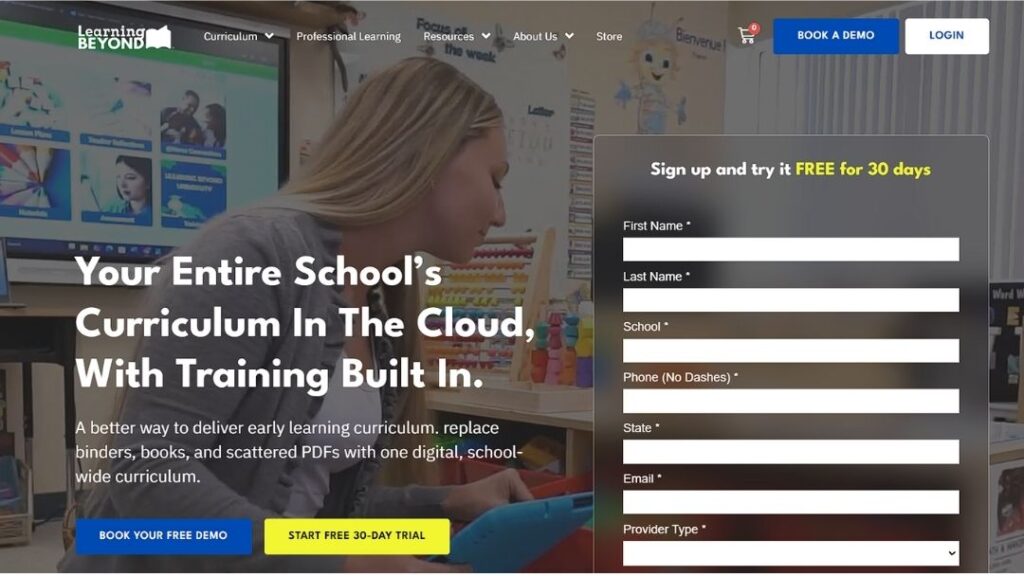
Learning Beyond Paper is the strongest fit for childcare centers, preschools, Head Start programs, and multi-site providers that want a curriculum teachers can open from the cloud instead of pulling from binders, boxes, or scattered files. It is not trying to be a monthly preschool curriculum kit. Its value is different. It gives programs a school-wide digital curriculum with age-specific lesson plans, bilingual English and Spanish content, standards alignment, professional learning, and ELBY, a virtual instructional coach built to help teachers in real time.
That makes Learning Beyond Paper a strong Mother Goose Time alternative for directors who have outgrown paper-heavy systems. A center may like the idea of monthly materials but still struggle with storage, missing pieces, staff turnover, or lesson consistency across classrooms. In that case, a cloud-based preschool curriculum can help directors keep everyone on the same page without asking teachers to rebuild plans from scratch.
Learning Beyond Paper also fits the brand need behind many early childhood programs right now: teachers need support, not one more complicated system. The platform includes curriculum from infants through Pre-K 4, which can help centers avoid separate purchases or disconnected planning across age groups.
Learning Beyond Paper’s core curriculum is a flat school-wide subscription for smaller programs, which can make budgeting clearer for directors. For larger, multi-site, or enterprise customers, pricing may vary based on scale and specific needs.
Best For: Childcare directors, preschool owners, family childcare providers, Head Start teams, and multi-site programs.
Consider It When: Your teachers need a practical online preschool curriculum with built-in support, bilingual resources, and easier standards documentation.
| Pros | Cons |
| Cloud-based access reduces paper planning. | Not a monthly physical kit. |
| Covers infant through Pre-K classrooms. | Printed-guide users may need time to adjust. |
| Includes ELBY, professional learning, and bilingual content. | Centers still need classroom materials for activities. |
| Supports standards alignment and classroom consistency. | Maybe more than a simple homeschool setup needs. |
Director’s takeaway: Learning Beyond Paper is a good fit when a director wants more than a curriculum for preschool. It can support daily lesson planning, teacher development, classroom consistency, and program-wide accountability. For centers ready to move away from paper-based planning, the guidance on how to transition from paper curriculum to digital in childcare is a natural next step.
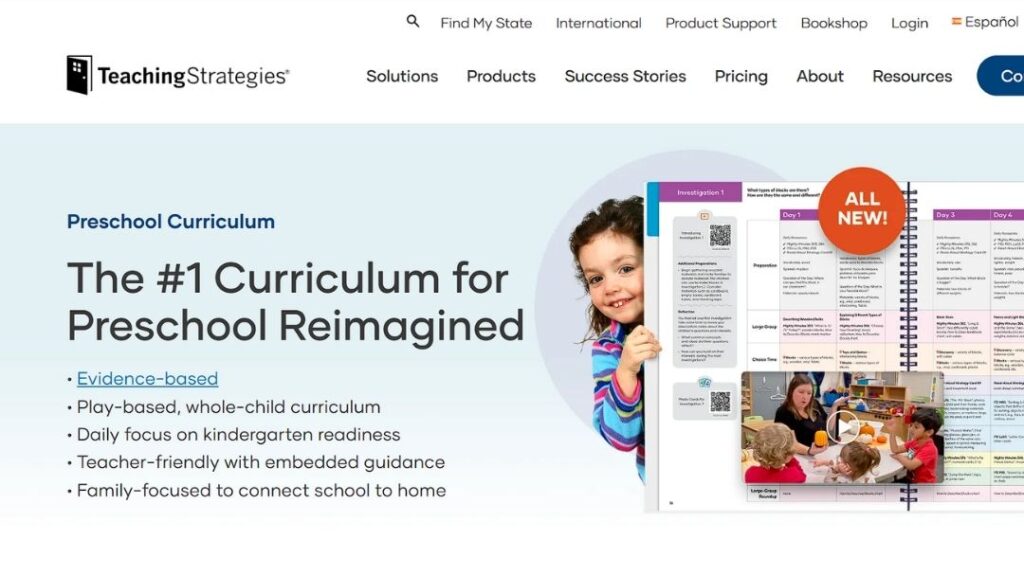
Teaching Strategies is one of the most established names in early childhood education. Its Creative Curriculum ecosystem includes curriculum, assessment, professional development, reporting, and family engagement tools. That can be attractive for larger providers, school districts, Head Start programs, and organizations that want curriculum connected to a broader assessment and reporting framework.
For searchers comparing Mother Goose Time alternatives, Teaching Strategies may feel like the most “complete system” option. It is not only about lesson plans. It can support documentation, child progress tracking, teacher planning, and family communication across a more formal program structure.
That depth can also be the reason some smaller programs pause. A director with a small preschool may not need a large ecosystem. A newer teacher may need more day-to-day simplicity. A center that mainly wants curriculum access may want to compare implementation time, training needs, and total cost before making a decision.
Best For: Larger early childhood programs, districts, and Head Start teams.
Consider It When: You want curriculum, assessment, family engagement, reporting, and professional development from one established provider.
| Pros | Cons |
| Strong name recognition in early childhood education. | May feel complex for smaller programs. |
| Connects curriculum with assessment tools. | Training and staff buy-in may be needed. |
| Supports documentation and child progress tracking. | Total cost can vary depending on the selected products. |
| Good fit for larger program systems. | Less lightweight than simple lesson access. |
Director’s takeaway: Teaching Strategies is a serious option for programs that want structure and depth. It may be less ideal for directors who want fast onboarding, fewer moving parts, or a more focused alternative to paper-based curriculum.
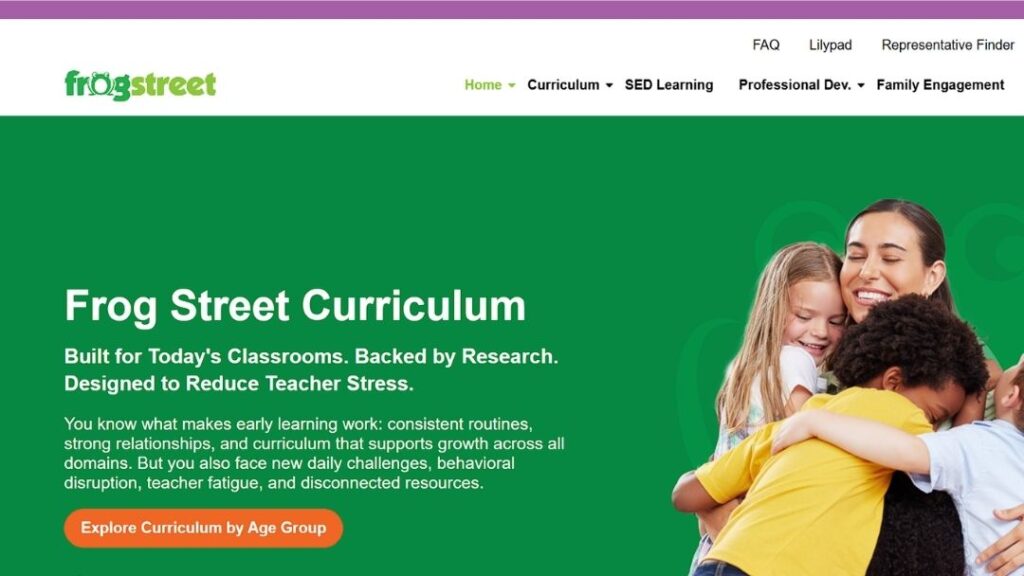
Frog Street is another well-known early childhood curriculum provider, especially for programs that value structure, social-emotional learning, bilingual resources, and developmentally sequenced lesson plans. Its programs span infant, toddler, preschool, and Pre-K, with routines and teacher resources that can help classrooms stay organized.
For a childcare center that wants a comprehensive curriculum with strong emotional development and classroom community components, Frog Street can be a thoughtful Mother Goose Time alternative. It may also appeal to programs that want bilingual activities and a more traditional curriculum structure.
The question is fit. Some directors want a robust materials-and-guides curriculum. Others want a more flexible cloud-based model with less physical curriculum management. Neither need is wrong. It depends on the teachers, the program model, and the level of support required.
Best For: Programs that want structured lessons, SEL support, routines, and bilingual early learning resources.
Consider It When: Your classrooms need a clear instructional path with strong social-emotional and language development support.
| Pros | Cons |
| Strong focus on routines and SEL. | May feel materials-heavy for some centers. |
| Supports infants through Pre-K pathways. | Training needs should be reviewed. |
| Offers bilingual and family engagement resources. | Less ideal for simple homeschool use. |
| Helps teachers follow a clear daily rhythm. | Directors should compare the full package. |
Director’s takeaway: Frog Street deserves fair consideration when SEL, bilingual support, and predictable classroom routines are top priorities. Learning Beyond Paper may be a better fit when the main goal is to shift the full curriculum workflow into a cloud-based platform with built-in teacher guidance.
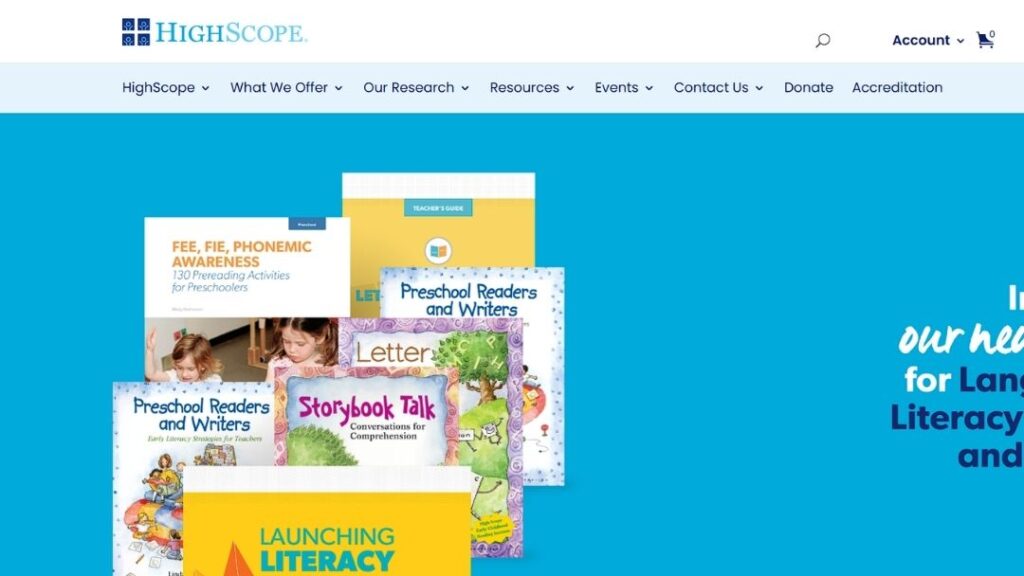
HighScope is not just a curriculum product; it is a philosophy-rich approach to early childhood education. It is built around active learning, child choice, teacher observation, and intentional classroom routines. Programs that use HighScope often value the way children plan, act, reflect, and build independence through meaningful experiences.
For centers that want a research-based preschool program with a clear educational philosophy, HighScope can be a strong choice. It may also work well for teams that already believe in active participatory learning and are ready to train staff around that model.
The challenge is commitment. HighScope is not something teachers simply “open and use” in the same way they might use a monthly kit or a digital lesson bank. It works best when leaders and teachers understand the philosophy and make time for training, observation, and reflection.
Best For: Programs that value active learning, child choice, observation, and a consistent classroom philosophy.
Consider It When: Your staff is ready to commit to a deeper early childhood model, not just a set of activities.
| Pros | Cons |
| Strong active learning philosophy. | Requires staff training and alignment. |
| Supports child choice and independence. | May feel intensive for new teams. |
| Observation tools can support documentation. | Not a quick open-and-go option. |
| Good fit for research-based programs. | Less ideal for low-prep homeschool users. |
Director’s takeaway: HighScope can be excellent when the philosophy matches the program. It is less ideal when a director simply needs fast, practical lesson access for teachers who are already stretched thin.
Kit-based and hybrid curriculum options work well for programs that still want physical materials, monthly themed units, or a blend of digital tools and hands-on supplies. These alternatives may appeal to family childcare homes, small centers, and teachers who like the structure of a prepared curriculum kit but still want some digital support.
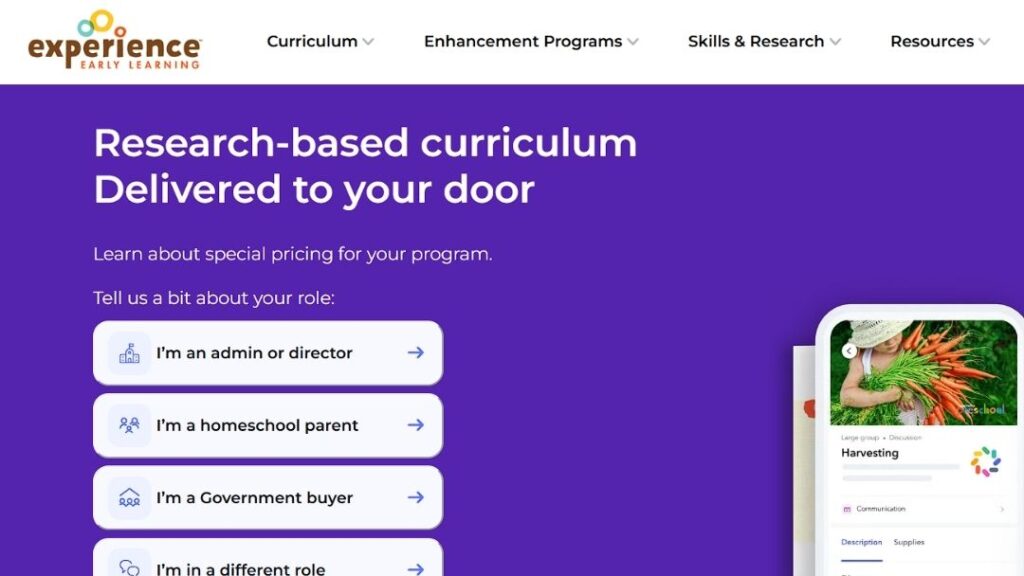
Experience Curriculum is the direct continuation of what many educators still call Mother Goose Time. It remains one of the clearest options for programs that want a monthly curriculum kit with teacher guides, materials, activities, assessment resources, and family engagement tools. For a small childcare program, family childcare home, or homeschool preschool setup, that can feel refreshingly simple. The box arrives. The theme is set. The teacher or parent has a plan.
This is where Mother Goose Time still has a fair place in the conversation. Some teachers love physical materials because they reduce shopping time. Some family childcare providers prefer the rhythm of monthly themed learning. Some parents searching for preschool homeschool curriculum want an open-and-go system rather than a digital dashboard.
The trade-off is scale. A kit-based model can work well for one classroom or a small home preschool curriculum setup. It may feel less convenient for directors who need consistent access across multiple classrooms, easy updates, staff training, and standards documentation in one system.
Best For: Family childcare homes, homeschool preschool families, and small programs that like mailed materials.
Consider It When: You want monthly themed kits, pre-selected supplies, and hands-on activities without building every lesson yourself.
| Pros | Cons |
| Monthly kits reduce supply gathering. | Physical materials need storage. |
| Clear themes make planning easier. | Shipping timelines may matter. |
| Hands-on activities appeal to young children. | Less flexible than cloud-based access. |
| Familiar to Mother Goose Time users. | Multi-classroom programs may need more consistency tools. |
Director’s takeaway: Experience Curriculum is not a weak choice. It is simply a different choice. If your program loves monthly themed materials and wants a preschool curriculum kit that arrives with much of the prep already handled, it belongs on the shortlist.
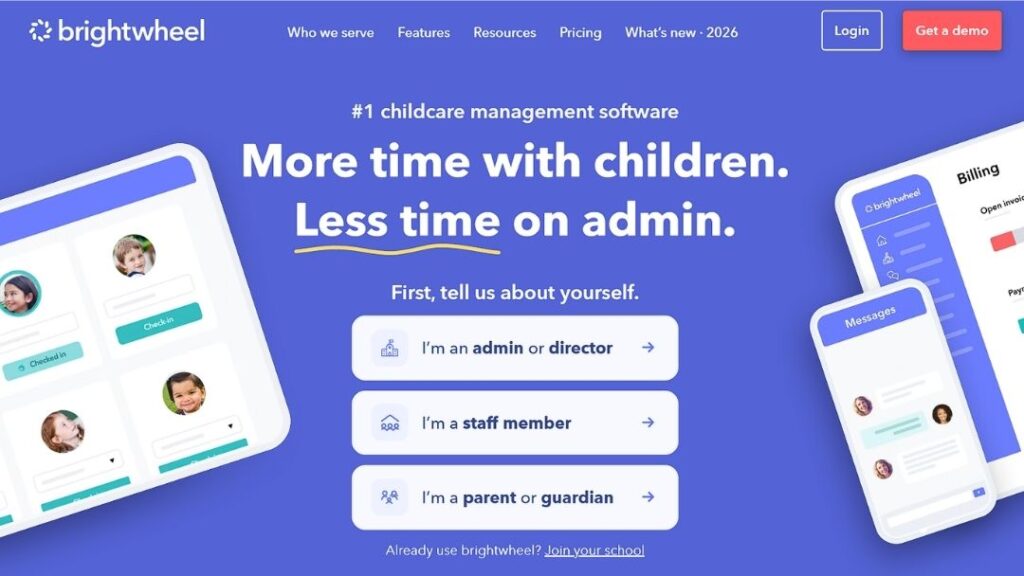
Brightwheel is widely known as a childcare management platform, and its Experience Curriculum offering connects monthly curriculum kits with app-based planning and classroom workflows. For centers already using Brightwheel, this combination can make sense. Teachers can access curriculum tools while directors manage communication, operations, and family engagement in a familiar system.
This option overlaps with Mother Goose Time because Experience Curriculum is connected to the same curriculum lineage. The main difference is that Brightwheel brings the curriculum into a broader operational environment. For some centers, that is convenient. For others, it may be more than they need.
A director should ask one question before choosing this route: do we want curriculum tied closely to our childcare management system? If the answer is yes, Brightwheel may be practical. If the answer is no, a separate curriculum platform may offer more flexibility.
Best For: Centers that already use Brightwheel or want curriculum connected to childcare management workflows.
Consider It When: You want monthly kits and digital curriculum tools inside a broader app environment.
| Pros | Cons |
| Connects curriculum with center workflows. | Less ideal if you use another management system. |
| Monthly kits support hands-on learning. | Curriculum may feel tied to operations. |
| Useful for Brightwheel users. | Not always best for curriculum-first buyers. |
| Can reduce tool-switching for staff. | Homeschool families may not need the app layer. |
Director’s takeaway: Brightwheel Experience Curriculum can be a smart fit when a center’s operations and curriculum needs line up. If the center mainly wants a dedicated curriculum with virtual instructional support, Learning Beyond Paper may be worth comparing closely
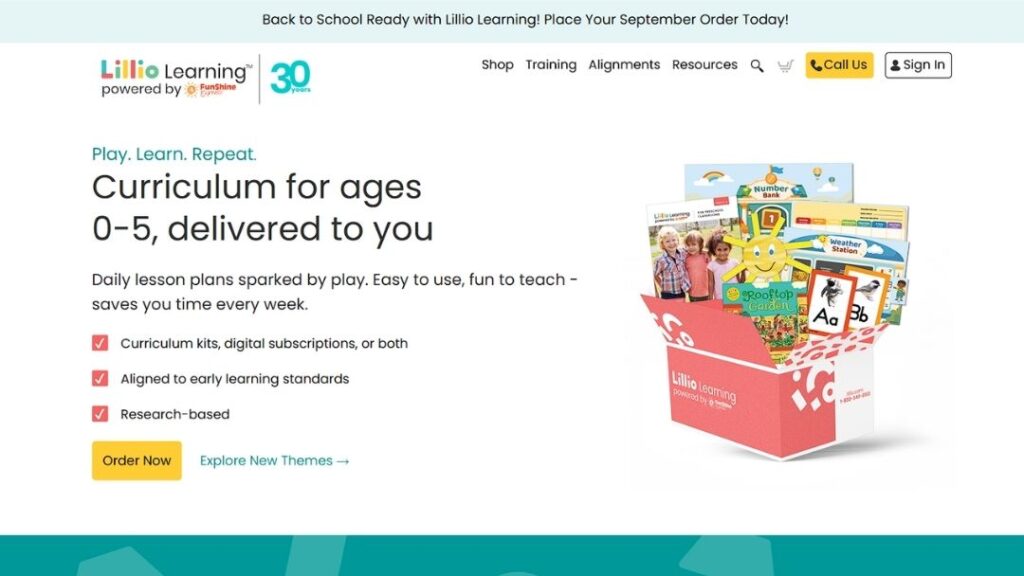
FunShine Online is a practical choice for teachers and providers who want digital lesson plans, activity ideas, and a searchable database without moving into a larger enterprise curriculum system. It can support infants, toddlers, and preschoolers, with flexible planning tools and editable activities.
This makes FunShine a useful Mother Goose Time alternative for providers who like the idea of planned activities but want more digital control. It can also suit teachers who need quick ideas for circle time, art, physical development, early literacy, or daily classroom routines.
The limitation is positioning. FunShine Online may work well as a digital planning resource, but directors should compare whether it offers the same level of school-wide implementation support, embedded professional learning, bilingual classroom resources, and standards documentation that a larger program may need.
Best For: Teachers, small centers, and providers who want searchable digital lesson plans.
Consider It When: You want flexible activity access and editable plans without adopting a large curriculum ecosystem.
| Pros | Cons |
| Searchable digital activities save time. | May not offer full center-wide coaching. |
| Editable plans support flexibility. | Directors should review documentation needs. |
| Offers digital, kit, and hybrid options. | May feel less complete for multi-site programs. |
| Good fit for smaller classrooms. | Some teams may need more guided support. |
Director’s takeaway: FunShine Online is worth a look for programs that want lesson planning support with flexibility. It may be less ideal for directors who need a curriculum platform built around compliance, coaching, and consistent implementation across many classrooms.
Home preschool curriculum options are designed more for parents than for licensed childcare centers. These programs may work well for families looking for preschool homeschool curriculum, pre K homeschool curriculum, toddler homeschool curriculum, or an at-home preschool program for a 3- or 4-year-old. They can be warm, practical, and affordable, but they usually do not replace the structure a childcare center needs for standards alignment, documentation, staff training, and multi-classroom consistency.
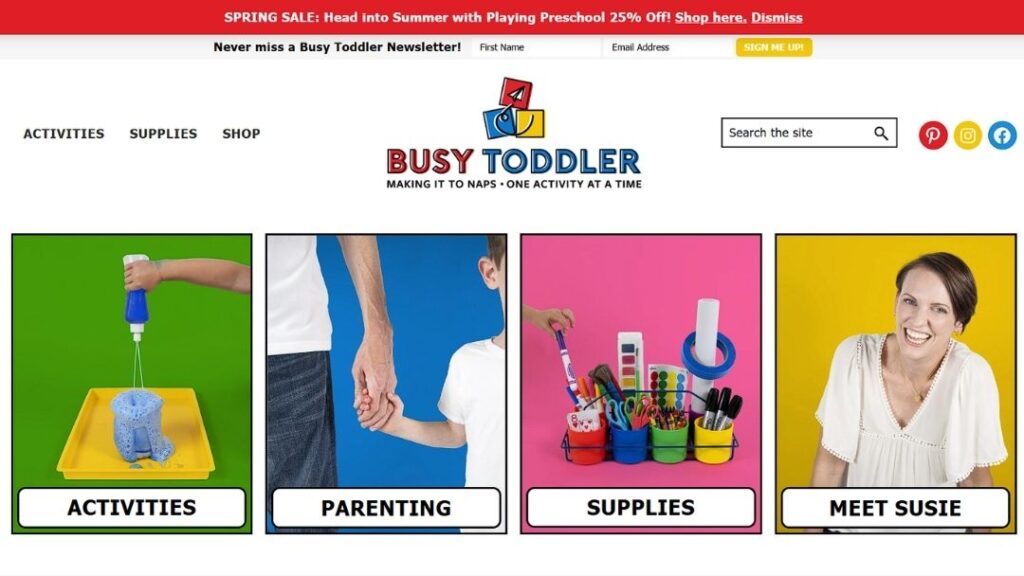
Some people who search for Mother Goose Time alternatives are not childcare directors at all. They are parents. They may be looking for preschool homeschool curriculum, pre-K homeschool curriculum, toddler homeschool curriculum, or an at-home preschool curriculum for a 3- or 4-year-old. For those families, Playing Preschool and Blossom & Root can be better fits than center-focused curriculum systems.
Playing Preschool by Busy Toddler is built around play-based home learning for young children. It is open-and-go, practical, and parent-friendly. Blossom & Root Early Years is secular, nature-based, hands-on, and low-pressure, with weekly prompts for art, literature, nature study, early math, and family connection.
These programs are not direct replacements for a childcare center curriculum. They are better viewed as home preschool options. A licensed center still needs to think about staffing, documentation, standards, family engagement, and program-wide consistency. A parent may simply need a calm plan for teaching pre-K at home.
Best For: Parents who want preschool curriculum homeschool options for ages 2–5.
Consider It When: You need a warm, low-pressure home preschool curriculum rather than a center-wide childcare system.
| Pros | Cons |
| Parent-friendly and easy to follow. | Not built for licensed childcare centers. |
| Play-based and low-pressure. | Lacks center-level documentation tools. |
| Good for home preschool routines. | Parents may need to gather supplies. |
| More affordable for many families. | Not ideal for Head Start or multi-classroom use. |
Director’s takeaway: For home use, these options make sense. For a childcare center, they are usually better as inspiration than as the main curriculum.
The best preschool curriculum is the one your teachers can use with confidence. A beautiful system that sits untouched is not useful. A cheap curriculum that creates hours of extra work is not really cheap. A hands-on kit that delights one teacher may frustrate another teacher who needs flexible digital access.
Start with your setting. A family childcare provider may need a curriculum for 3-4 year olds and a toddler plan in the same week. A center director may need one curriculum that supports infants, toddlers, preschool, and Pre-K. A homeschool parent may be searching for curriculum for preschool at home, not a school-wide platform. A Head Start administrator may need ELOF alignment, documentation, and bilingual family support.
| If Your Program Needs | Strong Options to Compare | Why It Matters |
| A cloud-based preschool curriculum across classrooms | Learning Beyond Paper, Teaching Strategies, FunShine Online | Teachers need easy access without binders or missing materials |
| Monthly preschool curriculum kits | Experience Curriculum, Brightwheel Experience Curriculum, FunShine kits | Physical materials can reduce shopping and prep time |
| Bilingual English and Spanish support | Learning Beyond Paper, Frog Street, Teaching Strategies | Multilingual classrooms need more than translated worksheets |
| A full curriculum and assessment ecosystem | Teaching Strategies, HighScope, Brightwheel | Larger programs may need reporting and child progress tools |
| Strong social-emotional learning and routines | Frog Street, HighScope, Learning Beyond Paper | Young children need emotional support, not just academic activities |
| A preschool homeschool curriculum | Playing Preschool, Blossom & Root, Experience Curriculum | Parents usually need low-prep home guidance rather than center systems |
| Less paper and more teacher support | Learning Beyond Paper, FunShine Online | Digital access can reduce planning friction and support new teachers |
| Active learning philosophy | HighScope, Blossom & Root | Some programs want a curriculum rooted in child choice and exploration |
For many childcare centers, the real issue is not whether Mother Goose Time is good or bad. The issue is whether the program still needs a monthly kit model or has reached the point where a cloud-based system would serve teachers better.
Before you switch from Mother Goose Time, Experience Curriculum, or any other program, take a careful look at how the new curriculum will work on a normal Tuesday morning. Not on demo day. Not during a sales call. On a day when two teachers are out, a new assistant is in the toddler room, and a director needs proof that lesson plans align to standards.
| What to Check | Why It Matters | Question to Ask |
| Age coverage | Programs need smooth progression from infants to Pre-K | Does one curriculum cover all classrooms or only preschool? |
| Teacher prep time | Lesson planning can drain staff energy | How much time does a teacher need before the lesson can happen? |
| Materials model | Digital, physical, and hybrid models affect daily workflow | Are supplies included, suggested, or stored separately? |
| Standards alignment | Directors need proof for licensing, QRIS, Head Start, or monitoring | Are standards built into lesson plans or tracked manually? |
| Bilingual support | Families and teachers may need English and Spanish resources | Is bilingual content included or added later? |
| Family engagement | Learning continues beyond the classroom | Are home connections and communication tools part of the curriculum? |
| Professional learning | New teachers need support fast | Does the curriculum include training or only written instructions? |
| Flexibility | Real classrooms rarely follow perfect plans | Can teachers adapt lessons for mixed ages, diverse learners, and schedule changes? |
| Total cost | Curriculum cost includes more than the sticker price | Are there add-ons, per-teacher fees, kit costs, training fees, or enterprise variables? |
| Implementation support | A curriculum switch affects staff habits | Who helps teachers use it well after purchase? |
This is where Learning Beyond Paper’s positioning is especially clear. The platform is not simply selling lesson plans. It is built around the daily reality of directors and teachers: time pressure, burnout, standards documentation, new staff, bilingual needs, and the need for practical support inside the classroom. Programs can also review the company’s research and curriculum approach to understand how the platform supports developmentally appropriate early learning.
| Program Type | Best Match | Why |
| Small childcare center moving away from binders | Learning Beyond Paper | School-wide digital access helps teachers plan without paper-heavy systems |
| Family childcare provider that likes physical materials | Experience Curriculum | Monthly themed kits can simplify prep and supply gathering |
| Large district or Head Start program | Teaching Strategies, Learning Beyond Paper, HighScope | These options can support structure, alignment, and program-level needs |
| Preschool with strong SEL priorities | Frog Street | The curriculum emphasizes routines, social-emotional learning, and classroom community |
| Program committed to active learning | HighScope | The philosophy supports child choice, observation, and intentional routines |
| Center already using Brightwheel | Brightwheel Experience Curriculum | Curriculum may fit naturally inside the existing management workflow |
| Teacher who wants flexible digital activity plans | FunShine Online | Searchable activities and editable plans support day-to-day flexibility |
| Parent teaching Pre-K at home | Playing Preschool or Blossom & Root | Both options fit low-pressure home preschool better than center systems |
For childcare centers that want a cloud-based curriculum, Learning Beyond Paper is one of the strongest Mother Goose Time alternatives. It is built for school-wide use across infant, toddler, preschool, and Pre-K classrooms, with lesson plans, bilingual content, professional learning, standards alignment, and ELBY, the virtual instructional coach. For centers that still prefer monthly themed physical kits, Experience Curriculum may remain a better fit.
Mother Goose Time is now commonly known as Experience Curriculum. Many educators still search for Mother Goose Time because the name has been around for years and is closely tied to monthly preschool curriculum kits. The current Experience Curriculum model continues to focus on hands-on materials, monthly themes, lesson plans, assessment tools, and family engagement resources.
Experience Curriculum is the updated name and current brand connected to the curriculum many people knew as Mother Goose Time. The core appeal is similar: monthly themed learning, hands-on materials, and planned activities for young children. The current version also connects with digital tools and, through Brightwheel, can be used alongside childcare management workflows.
For homeschool preschool families, Playing Preschool and Blossom & Root are strong options. Playing Preschool works well for parents who want a simple, play-based homeschool preschool curriculum for ages 2.5 to 5. Blossom & Root is a good fit for families who want secular, nature-based, literature-rich learning. Experience Curriculum may also suit families that prefer a monthly preschool curriculum kit.
Learning Beyond Paper is the clearest option for programs that want to reduce paper lesson planning across classrooms. The curriculum is cloud-based, which means teachers can access plans and support digitally. FunShine Online can also help teachers who want digital lesson planning and searchable activities, although it may not offer the same school-wide teacher support structure.
Yes, Learning Beyond Paper can be a good Mother Goose Time alternative for childcare centers, preschools, Head Start programs, and multi-site providers that want a digital curriculum instead of monthly physical kits. It is especially useful for programs that need standards alignment, bilingual resources, professional learning, and teacher support through a virtual instructional coach. It may not be the best match for users who specifically want mailed craft supplies and monthly physical materials.
A strong curriculum for preschool should support early literacy, language, social-emotional learning, early math, science, motor development, creativity, family engagement, and play-based exploration. It should also help teachers adapt lessons for different learners. For center-based programs, standards alignment, training, and documentation support are important too.
The best online preschool curriculum depends on the setting. Learning Beyond Paper is a strong option for childcare centers that want a cloud-based, school-wide curriculum. Teaching Strategies offers a broader ecosystem with curriculum and assessment. FunShine Online is useful for flexible digital lesson planning. For home use, parents may prefer a preschool homeschool program such as Playing Preschool or Blossom & Root.
Mother Goose Time alternatives are not all built for the same audience. Experience Curriculum may still be a good choice for programs that love monthly themed kits and physical materials. Teaching Strategies may suit larger organizations that want an established ecosystem. Frog Street can work well for structured classrooms with strong social-emotional and bilingual priorities. HighScope is a serious option for programs committed to active learning. FunShine Online can help teachers who want flexible digital planning. Playing Preschool and Blossom & Root make more sense for parents teaching preschool at home.
For childcare centers ready to move beyond paper-heavy planning, Learning Beyond Paper offers a different path. It gives teachers a cloud-based curriculum, practical classroom support, bilingual resources, professional learning, and standards alignment in one place. That combination matters because directors are not just buying activities. They are choosing a system their teachers can trust during busy, imperfect, very real classroom days.
If your program is ready for a curriculum that supports teachers without adding more paper to their plates, explore the Learning Beyond Paper curriculum or meet ELBY, the virtual instructional coach, to see how digital support can fit into everyday early learning.